Kids? They Don’t Need Fixing. They Need Understanding.
Why I’m Creating Wildfire Growing Space
I’ve been thinking about this for a long time.
Every week I meet young people who are described as “school refusing.”
I don’t like that phrase.
Because it suggests choice.
It suggests defiance.
It suggests that a young person has simply decided they don’t want to go.
That isn’t what I see.
What I see are young people whose nervous systems have reached their limit.
Young people who desperately want friends, who want to laugh, who want to fit in, who don’t want to be known as “the one who doesn’t come to school.”
No child wakes up thinking,
“I’d really like everyone to be cross with me today.”
No child dreams of feeling isolated.
No child wants to watch their parents become more worried every single morning.
Behind every young person struggling to attend school is a story.
And that’s the story I’m interested in.
Somewhere Along the Way…
Somewhere along the way we’ve become so focused on attendance figures, behaviour points, targets and outcomes that, too often, we stop asking the most important question.
What is this young person trying to tell us?
Behaviour is communication.
Withdrawal is communication.
Silence is communication.
Anger is communication.
Avoidance is communication.
The behaviour is rarely the problem.
It’s usually the symptom.
The School System Isn’t Built for Every Brain
Schools do an incredible job with limited funding, increasing demands and enormous class sizes. I know many teachers who care deeply and work tirelessly for their pupils.
Yet the system itself wasn’t designed with every child in mind.
Many young people are expected to sit still for long periods.
To learn in one particular way.
To cope with constant noise.
To manage busy corridors.
To switch lessons every hour.
To tolerate uncomfortable uniforms.
To revise independently.
To organise themselves.
To remember homework.
To cope with changing friendships, social media, exams, expectations and comparison…
All whilst their brains and bodies are still developing.
For many children, that’s manageable.
For others, particularly those who are neurodivergent, highly sensitive, carrying trauma, living with anxiety or simply wired differently, it can feel overwhelming.
Not because they’re incapable.
Because their nervous system is working incredibly hard just to get through the day.
We’ve Learnt More About Brains Than Our Systems Sometimes Reflect
Over the last few decades, we’ve learnt far more about trauma, attachment, ADHD, autism, sensory processing and emotional regulation.
We know that children learn best when they feel safe.
We know that stress affects memory, concentration and problem-solving.
We know that movement can help some young people think.
We know that some children process information better visually, practically or through experience rather than simply listening.
We know sensory differences are real.
Yet many families still tell me they feel as though their child is seen as “lazy”, “difficult”, “attention seeking” or “not trying hard enough.”
Imagine hearing those messages about yourself when you’re already trying your hardest.
That becomes shame.
And shame changes the way children see themselves.
Instead of thinking,
“I’m struggling.”
They begin believing,
“I am the problem.”
Parents Are Hurting Too
Then there are the parents.
The ones making phone calls before work.
The ones sitting outside school in the car park hoping today might be different.
The ones comforting panic attacks.
The ones trying to persuade a child whose whole body is saying “I can’t.”
The ones being told to be firmer.
To put consequences in place.
To make them go.
As though love and determination alone can override a nervous system in survival mode.
Parents often arrive in my counselling room exhausted.
Not because they don’t care.
Because they’ve been carrying this alone for so long.
Many tell me they feel judged.
Like they’ve somehow failed.
They haven’t.
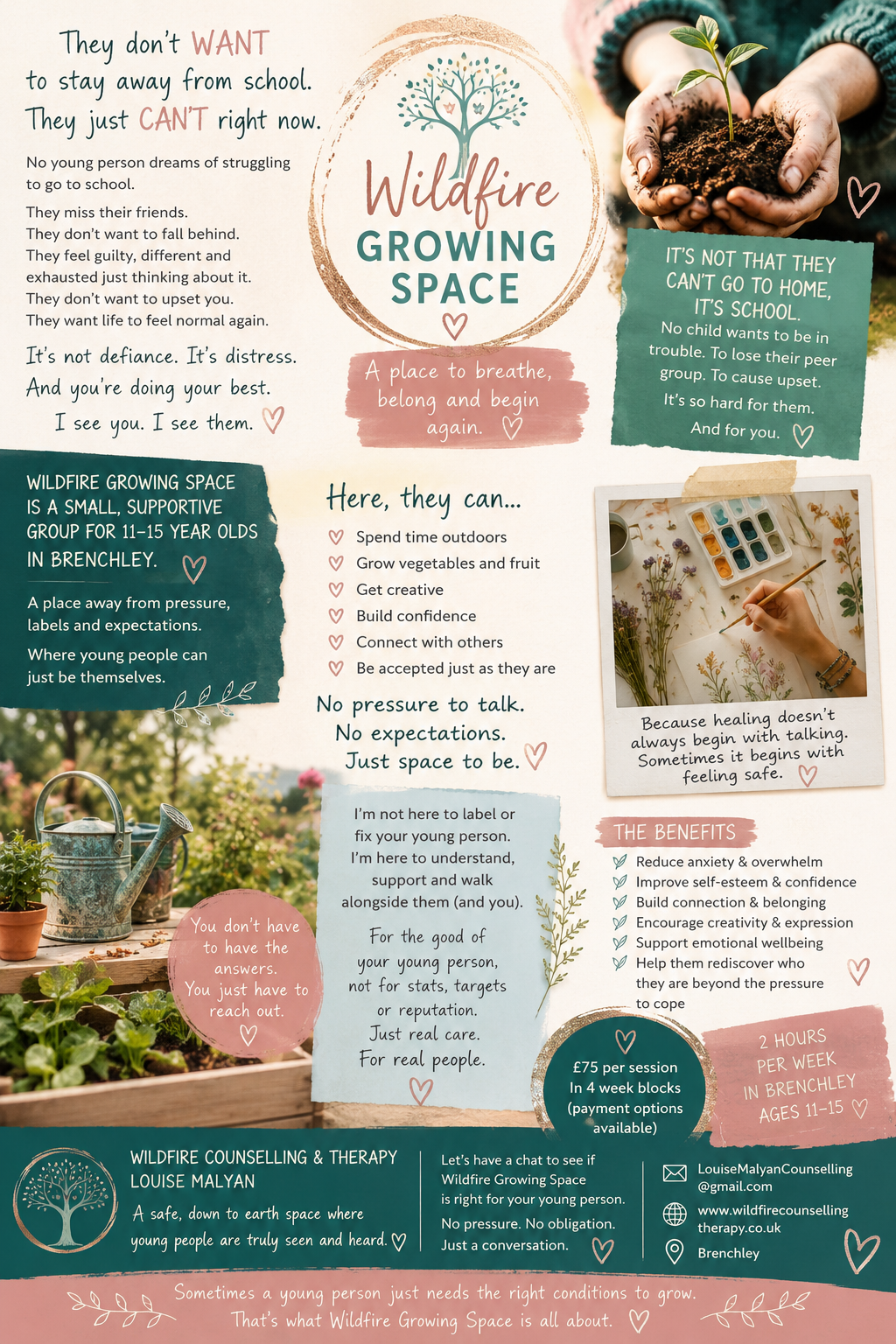
Why Wildfire Growing Space Exists
This isn’t another classroom.
It isn’t somewhere to earn points.
It isn’t somewhere young people have to sit still, put their hand up or explain themselves before they’re ready.
It’s somewhere they can breathe.
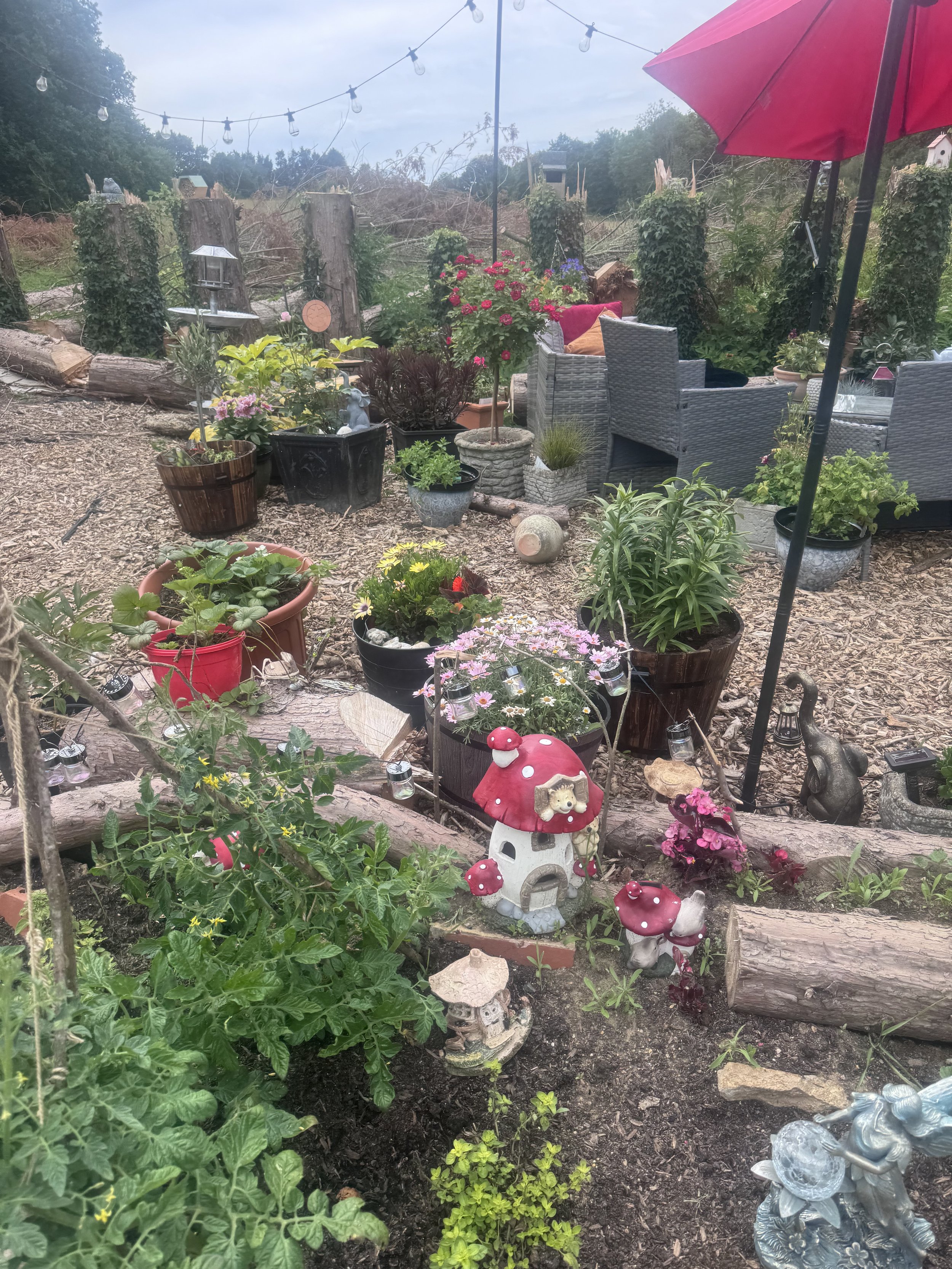
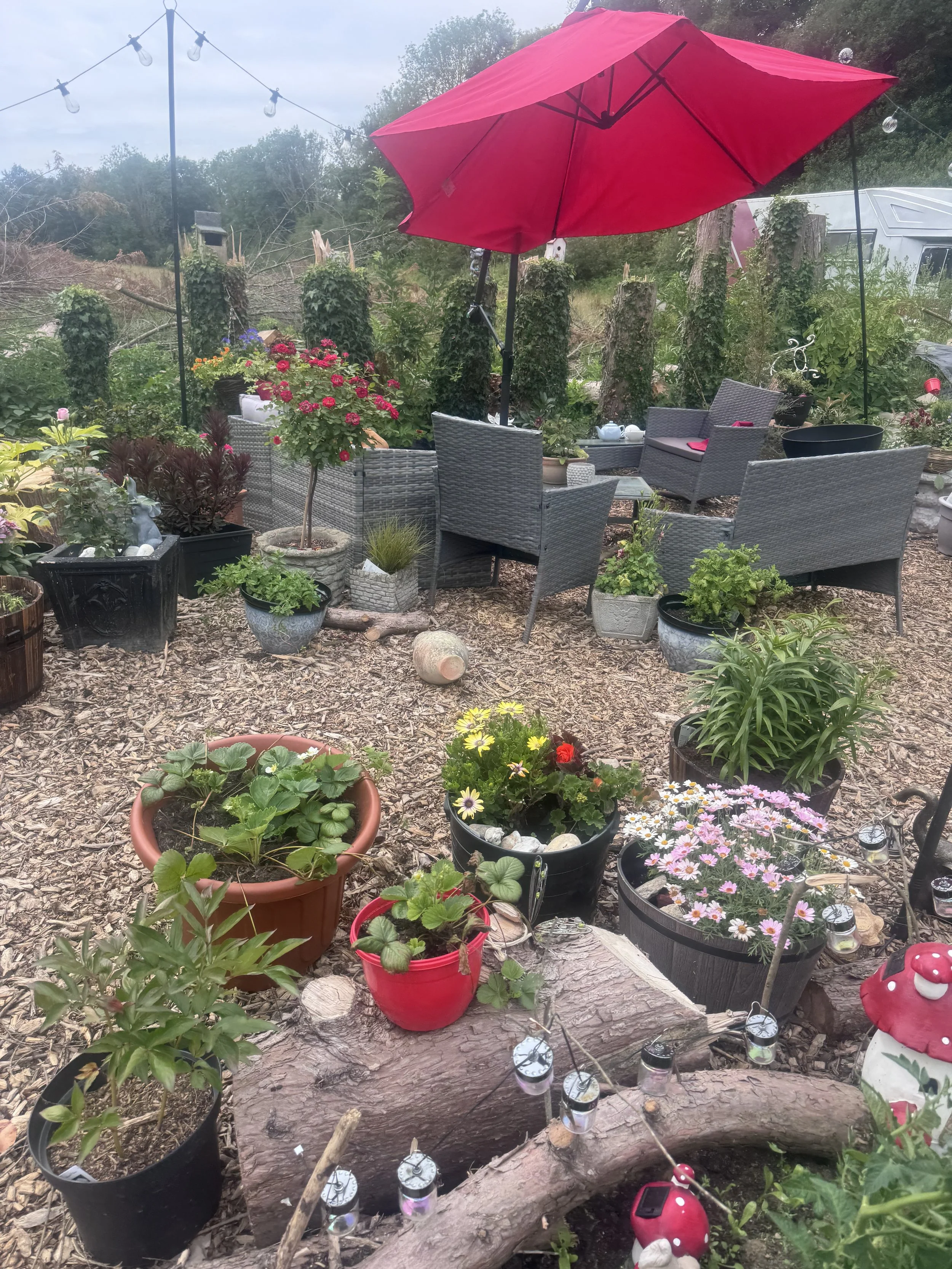
A place where muddy hands are welcomed.
Where growing vegetables can become a conversation about hope.
Where creativity becomes expression.
Where there is no pressure to make eye contact or find the perfect words.
Sometimes the deepest conversations happen while planting seeds.
Sometimes healing begins whilst painting.
Sometimes trust is built walking side by side rather than sitting opposite one another.
That’s what Wildfire Growing Space is about.
Not fixing children.
Creating the conditions where they can begin finding themselves again.
Why I’m Different
I don’t believe every young person needs another professional asking, “What’s wrong with you?”
I think they need someone curious enough to ask,
“What has life been like for you?”
My work isn’t about labels.
It’s about understanding.
It’s about recognising that behaviour makes sense when we understand the story behind it.
It’s about seeing the child before the attendance record.
The human before the diagnosis.
The young person before the behaviour.
Every child deserves at least one adult who genuinely wants to understand them.
That’s who I want to be.
My Hope
My hope isn’t simply that more young people return to school.
My hope is much bigger than that.
I hope they rediscover confidence.
I hope they find people who accept them.
I hope they stop believing they’re broken.
I hope they realise they are not “too much.”
Or “not enough.”
I hope they remember who they are beneath the anxiety, the masking, the overwhelm and the shame.
Because I’ve watched what happens when someone finally feels safe enough to be themselves.
That’s when growth begins.
And that’s exactly why I’ve created Wildfire Growing Space.
Not because young people need fixing.
Because they deserve somewhere they can finally belong.
Stay safe, stay connected & take gentle care
Louise Malyan
Wildfire Counselling & Therapy