
Attached?
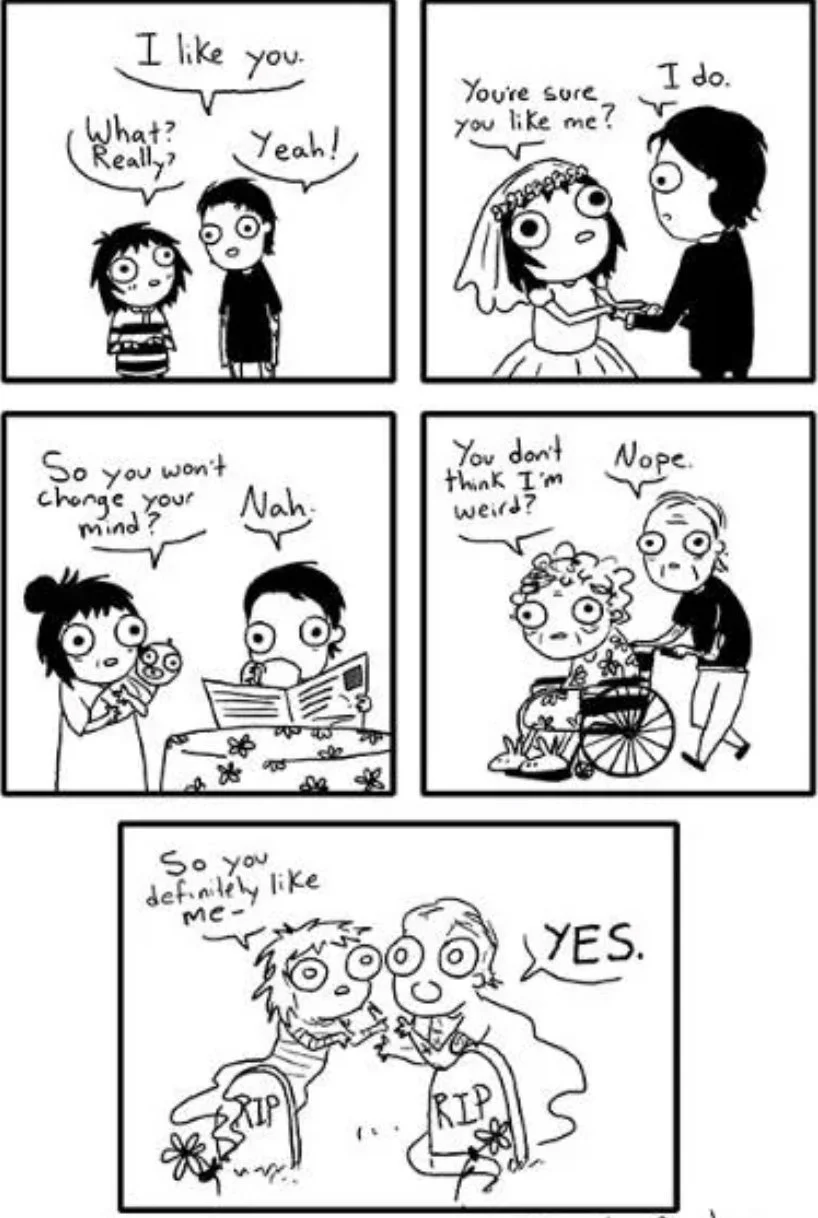
Whats your attachment style?
Let’s Untangle Your Relationship Patterns (and Have a Laugh While We’re At It)
Ever felt like your relationships are on repeat? The same worries, the same arguments, the same heartbreak? Maybe you’ve wondered, Is it me? Is it them? Is it... both of us? If so, you’re not alone.
Let’s talk about attachment styles—those sneaky, subconscious scripts we all follow in relationships. These styles, formed in childhood (thanks, caregivers), shape how we connect with others. And the kicker? They can show up everywhere—from your love life to your friendships, even at work.
But here’s the good news: you don’t have to stay stuck. Therapy (yes, even the creative kind I offer) can help you untangle the knots, find clarity, and start connecting in healthier, happier ways.
What Are Attachment Styles Anyway?
In a nutshell, attachment styles are like your emotional autopilot in relationships. There are four main types:
Secure – You’re balanced, grounded, and generally a relationship Jedi.
Avoidant – You’re the cool customer who doesn’t need anyone (or so you tell yourself).
Anxious – You crave connection but constantly worry it’ll disappear.
Disorganised – You want love but fear it, making relationships feel like emotional whiplash.
And while these styles might sound like personality quirks, they’re deeply rooted in your early experiences. Basically, your attachment style is like a love language... but for your nervous system.
A Quick Peek at the Styles
Secure: The Gold Standard
What it feels like: “I’m good. You’re good. We’re good.”
The struggle: Let’s be honest—you’re probably not here reading this. But if you are, maybe you’re wondering how to help loved ones stuck in less secure patterns.
Avoidant: The Lone Wolf
What it feels like: “Feelings? No thanks. I’m fine on my own.”
How it shows up: You hate clinginess, but deep down, intimacy feels... terrifying.
How therapy can help: We’d explore what you’re running from. Maybe we’ll even get creative—like sketching out the “emotional walls” you’ve built. (Spoiler alert: they’re probably not as protective as you think.)
Anxious: The Overthinker
What it feels like: “Why didn’t they text back? Are they mad? Did I do something wrong?”
How it shows up: You might cling, over-apologise, or spiral when you sense distance.
How therapy can help: Together, we’ll work on quieting that inner critic and building your confidence. Maybe we’ll use storytelling to reframe those old narratives of “I’m not enough.”
Disorganised: The Wild Card
What it feels like: “Come closer... no, wait, go away!”
How it shows up: Relationships feel chaotic, and trust is a minefield.
How therapy can help: This is where we dig deep, unpacking past trauma and creating new, stable foundations. And hey, if words feel too much, we can use sand trays, art, or metaphors to gently explore those tricky feelings.
How I Found My Attachment Style (and Why It Blew My Mind)
Here’s where it gets personal. When I first learned about attachment styles, it was like someone handed me the instruction manual for my emotional life. Suddenly, I understood why certain relationships felt so hard and why I kept repeating the same patterns.
And the best part? Therapy didn’t just help me see the patterns—it gave me the tools to change them.
That’s why I’m so passionate about using creative approaches in my counselling. Whether we’re doodling, walking through the woods, or sipping hot chocolate while we chat, I want therapy to feel safe, approachable, and tailored to you.
How Attachment Affects Your Life (Yes, Even Outside Relationships)
Attachment styles don’t just stop at your love life. They can seep into everything:
Friendships: Struggling to trust? Overgiving to feel accepted? That’s attachment at play.
Work: Avoiding collaboration or obsessing over feedback? Yep, attachment again.
Parenting: Wondering if you’re overprotective or distant? Guess what... attachment!
The first step to change is awareness. Once you see how these patterns show up, you can start to shift them.
5 Practical Tips for Untangling Attachment Struggles
Get Curious
Start by noticing your triggers. Does distance freak you out? Does closeness make you itchy? Jot it down—awareness is half the battle.Reframe the Story
Those old beliefs like “I’m unlovable” or “People always let me down”? They’re not facts; they’re stories. In therapy, we can rewrite them together.Build Your Tribe
Surround yourself with people who are secure, supportive, and kind. They’ll help you practice healthy connection.Set Boundaries (and Stick to Them)
Whether you’re too clingy or too distant, boundaries create balance. And they’re a game-changer for self-respect.Seek Therapy
Honestly, working with a counsellor who gets it can be life-changing. We’ll explore your patterns, heal past wounds, and build healthier ways of connecting.
Ready to Break the Cycle?
You’re not doomed by your attachment style—it’s just a starting point. With the right support, you can shift from chaos to calm, fear to confidence, disconnection to deep, fulfilling relationships.
So if you’re ready to explore your attachment style—and maybe laugh, cry, or get a little creative along the way—reach out. I’d love to help.
Drop me an email at louisemalyancounselling@gmail.com or visit www.wildfirecounsellingtherapy.co.uk. Let’s untangle those patterns and rewrite your story—together.
Louise Talks Life.
Whats your Attachment style?
Let’s Untangle Your Relationship Patterns (and Have a Laugh While We’re At It)
Ever felt like your relationships are on repeat? The same worries, the same arguments, the same heartbreak? Maybe you’ve wondered, Is it me? Is it them? Is it... both of us? If so, you’re not alone.
Let’s talk about attachment styles—those sneaky, subconscious scripts we all follow in relationships. These styles, formed in childhood (thanks, caregivers), shape how we connect with others. And the kicker? They can show up everywhere—from your love life to your friendships, even at work.
But here’s the good news: you don’t have to stay stuck. Therapy (yes, even the creative kind I offer) can help you untangle the knots, find clarity, and start connecting in healthier, happier ways.
What Are Attachment Styles Anyway?
In a nutshell, attachment styles are like your emotional autopilot in relationships. There are four main types:
Secure – You’re balanced, grounded, and generally a relationship Jedi.
Avoidant – You’re the cool customer who doesn’t need anyone (or so you tell yourself).
Anxious – You crave connection but constantly worry it’ll disappear.
Disorganised – You want love but fear it, making relationships feel like emotional whiplash.
And while these styles might sound like personality quirks, they’re deeply rooted in your early experiences. Basically, your attachment style is like a love language... but for your nervous system.
A Quick Peek at the Styles
Secure: The Gold Standard
What it feels like: “I’m good. You’re good. We’re good.”
The struggle: Let’s be honest—you’re probably not here reading this. But if you are, maybe you’re wondering how to help loved ones stuck in less secure patterns.
Avoidant: The Lone Wolf
What it feels like: “Feelings? No thanks. I’m fine on my own.”
How it shows up: You hate clinginess, but deep down, intimacy feels... terrifying.
How therapy can help: We’d explore what you’re running from. Maybe we’ll even get creative—like sketching out the “emotional walls” you’ve built. (Spoiler alert: they’re probably not as protective as you think.)
Anxious: The Overthinker
What it feels like: “Why didn’t they text back? Are they mad? Did I do something wrong?”
How it shows up: You might cling, over-apologise, or spiral when you sense distance.
How therapy can help: Together, we’ll work on quieting that inner critic and building your confidence. Maybe we’ll use storytelling to reframe those old narratives of “I’m not enough.”
Disorganised: The Wild Card
What it feels like: “Come closer... no, wait, go away!”
How it shows up: Relationships feel chaotic, and trust is a minefield.
How therapy can help: This is where we dig deep, unpacking past trauma and creating new, stable foundations. And hey, if words feel too much, we can use sand trays, art, or metaphors to gently explore those tricky feelings.
How I Found My Attachment Style (and Why It Blew My Mind)
Here’s where it gets personal. When I first learned about attachment styles, it was like someone handed me the instruction manual for my emotional life. Suddenly, I understood why certain relationships felt so hard and why I kept repeating the same patterns.
And the best part? Therapy didn’t just help me see the patterns—it gave me the tools to change them.
That’s why I’m so passionate about using creative approaches in my counselling. Whether we’re doodling, walking through the woods, or sipping hot chocolate while we chat, I want therapy to feel safe, approachable, and tailored to you.
How Attachment Affects Your Life (Yes, Even Outside Relationships)
Attachment styles don’t just stop at your love life. They can seep into everything:
Friendships: Struggling to trust? Overgiving to feel accepted? That’s attachment at play.
Work: Avoiding collaboration or obsessing over feedback? Yep, attachment again.
Parenting: Wondering if you’re overprotective or distant? Guess what... attachment!
The first step to change is awareness. Once you see how these patterns show up, you can start to shift them.
5 Practical Tips for Untangling Attachment Struggles
Get Curious
Start by noticing your triggers. Does distance freak you out? Does closeness make you itchy? Jot it down—awareness is half the battle.Reframe the Story
Those old beliefs like “I’m unlovable” or “People always let me down”? They’re not facts; they’re stories. In therapy, we can rewrite them together.Build Your Tribe
Surround yourself with people who are secure, supportive, and kind. They’ll help you practice healthy connection.Set Boundaries (and Stick to Them)
Whether you’re too clingy or too distant, boundaries create balance. And they’re a game-changer for self-respect.Seek Therapy
Honestly, working with a counsellor who gets it can be life-changing. We’ll explore your patterns, heal past wounds, and build healthier ways of connecting.
Ready to Break the Cycle?
You’re not doomed by your attachment style—it’s just a starting point. With the right support, you can shift from chaos to calm, fear to confidence, disconnection to deep, fulfilling relationships.
So if you’re ready to explore your attachment style—and maybe laugh, cry, or get a little creative along the way—reach out. I’d love to help.
Drop me an email at louisemalyancounselling@gmail.com or visit www.wildfirecounsellingtherapy.co.uk. Let’s untangle those patterns and rewrite your story—together.
Until next time,
Louise

Welcome!
It all begins with an idea.
Louise Talks Life
Welcome to Louise Talks Life!
Hi, I’m Louise, and I’m so glad you’ve stumbled across my little corner of the internet. Whether you’re here out of curiosity, desperation, or procrastination (no judgment—I've been there), welcome! I’m a counsellor based in the lovely countryside of Brenchley, where I help people untangle the messy bits of life in my cosy therapy hub, Wildfire Counselling & Therapy.
I offer a unique blend of counselling approaches that includes traditional talking therapy, creative interventions, and sometimes a bit of fresh air with my walk-and-talk sessions. Let’s face it, sometimes words alone just don’t cut it—especially when you're trying to unpack years of trauma, unhelpful patterns, or the dreaded "What am I doing with my life?" spiral.
So, Who Do I Help?
I work with people who are feeling stuck, overwhelmed, or just plain fed up. Maybe you're battling past trauma, struggling with low self-esteem, or trying to mend a relationship that feels like it’s held together by duct tape and hope. Or perhaps you’re dealing with ADHD, anxiety, addiction, or a combination of it all and don’t know where to start. Don’t worry—you’re not alone, and I get it.
With 20 years of experience in emergency services, my own personal journey through trauma, and now as a grounded, sober counsellor, I’ve walked a few tough paths myself. That’s why I’m passionate about offering a space that’s safe, supportive, and free of judgment—whether we’re in the therapy room or wandering around the fields of my seven-acre smallholding.
What Makes Me Different?
Here’s the thing: I’m not your traditional therapist who sits stiffly in a chair, nodding and repeating, “And how does that make you feel?” (although, let’s be honest, I will ask that sometimes—it’s a classic for a reason). Instead, I mix things up. We might use art, fairy tales, or even a tray of sand to help you express yourself. Because when words fail, there’s always glitter glue and metaphors, right?
Also, coffee and hot chocolate are welcome in my sessions. Therapy can be intense, so why not make it a little more comforting?
Why Louise Talks Life?
Because life is messy, beautiful, unpredictable, and sometimes downright infuriating—and I’m here to help you navigate all of it. Through this blog, I’ll be sharing insights about relationships, attachment styles (hello, disorganised attachment—my old frenemy), creative ways to process emotions, and little nuggets of wisdom I’ve picked up along the way.
Expect a mix of humour, honesty, and hopefully, the occasional “aha!” moment that sticks with you. My goal is to make therapy and self-reflection feel a little less daunting and a lot more human.
Ready to Start Your Journey?
If anything I’ve said resonates with you—or even if you just fancy a chat with someone who gets it—reach out. You can find me at www.wildfirecounsellingtherapy.co.uk or drop me an email at louisemalyancounselling@gmail.com. Let’s figure it out together, one session (and possibly one coffee) at a time.
Until next time, Louise