Image 1 of 8
Image 2 of 8
Image 3 of 8
Image 4 of 8
Image 5 of 8
Image 6 of 8
Image 7 of 8
Image 8 of 8
Le Claire therapy Cards
Key Therapeutic Uses of Cards
Projective Tool for Insight: Similar to inkblot tests, cards are used to help clients tap into their subconscious mind, explore emotions, and gain personal insight rather than for fortune-telling.
Overcoming Communication Blocks: Cards help clients express feelings, situations, or ideas that are difficult to articulate in words, serving as a starting point for deeper conversation.
Narrative and Symbolic Work: Therapists use the rich, archetypal imagery of cards to help clients reframe personal challenges as narratives, aiding in shadow work and understanding personal growth.
"Conversation Starters": Cards act as non-directive prompts that allow clients to choose images that resonate with their current state, making sessions more engaging.
Daily Focus and Grounding: Clients may use cards to pick a theme for the day, helping them stay centered and mindful.
Specific Card Types Mentioned
Tarot Cards: Used to explore past, present, and future energies, assisting clients in making decisions.
Oracle Cards: Known for simplicity and positive, uplifting messages.
Dixit Cards: Specifically mentioned for their whimsical, wordless images that are highly adaptable for visual and creative prompting in therapy.
Oh Cards: Used to combine image and word cards to help clients explore inner experiences when they are unsure what to talk about.
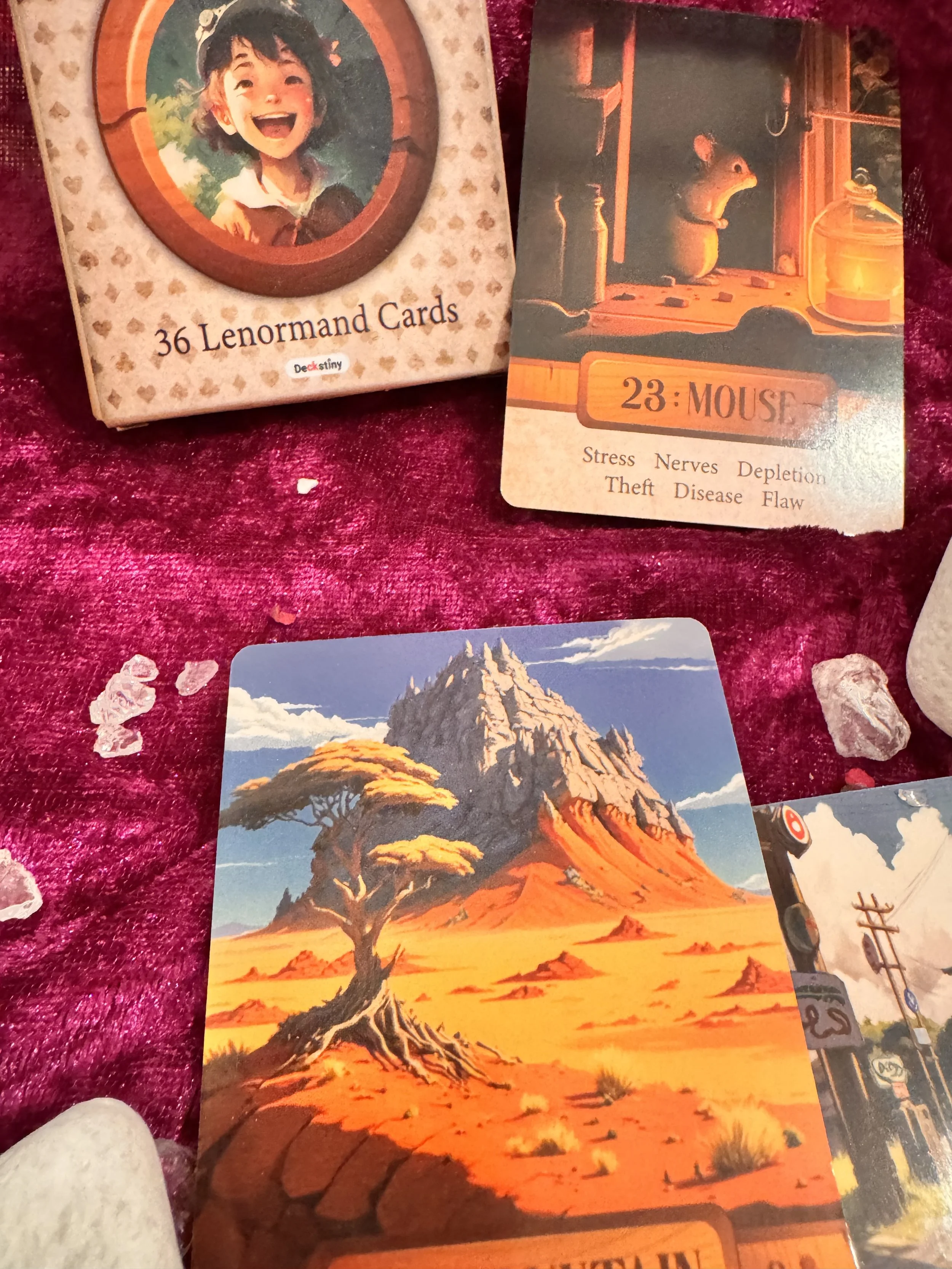
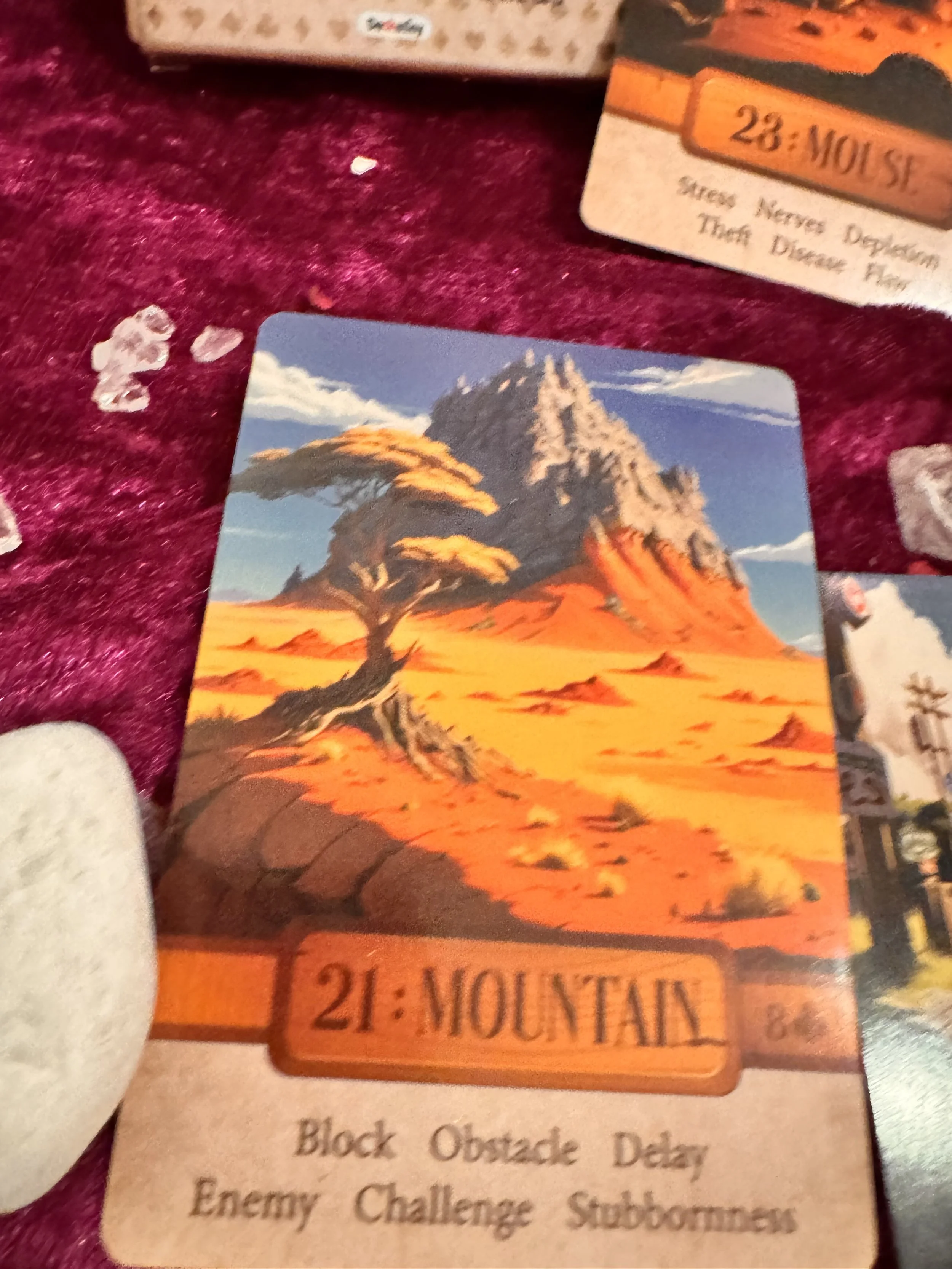
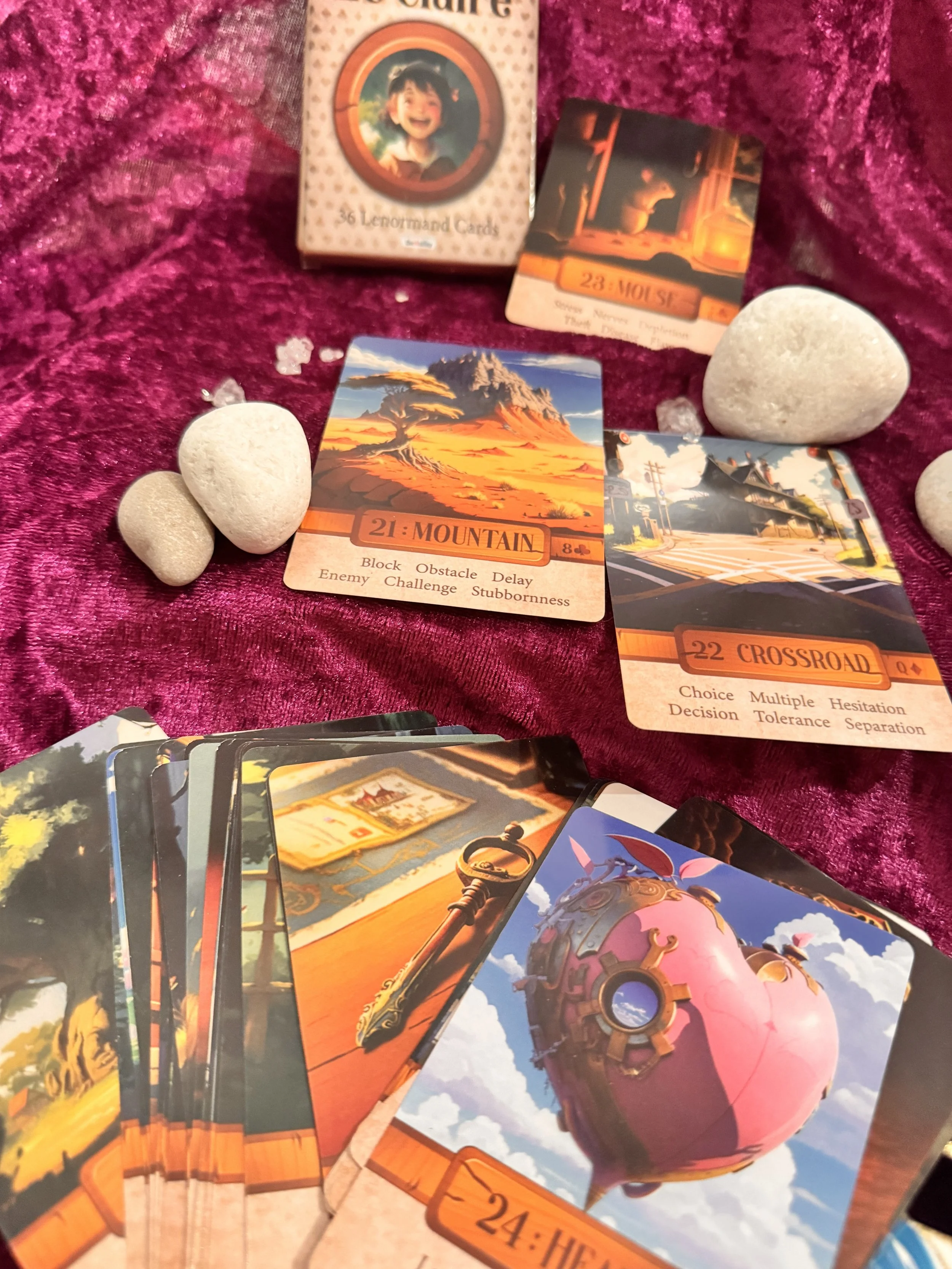
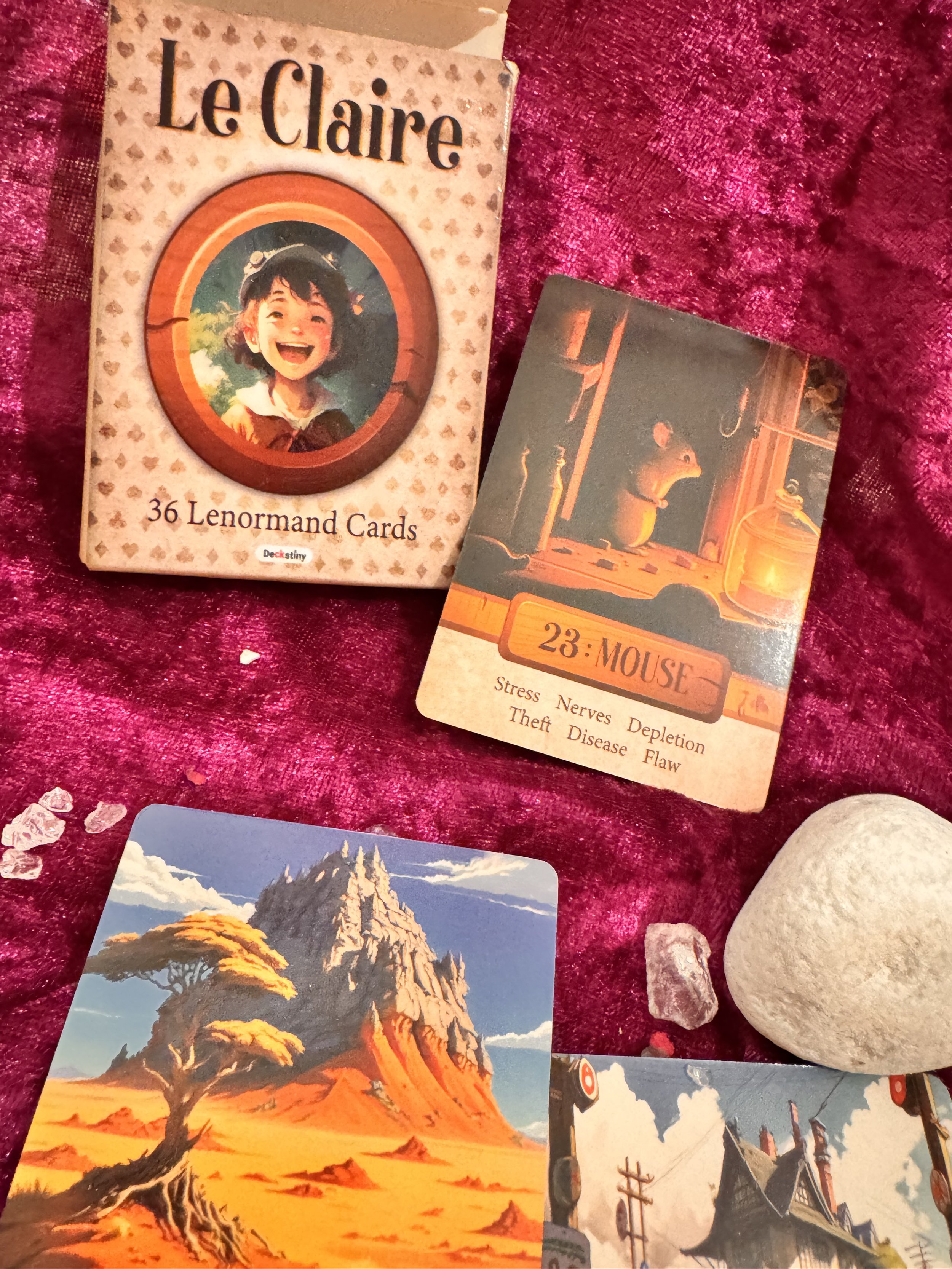
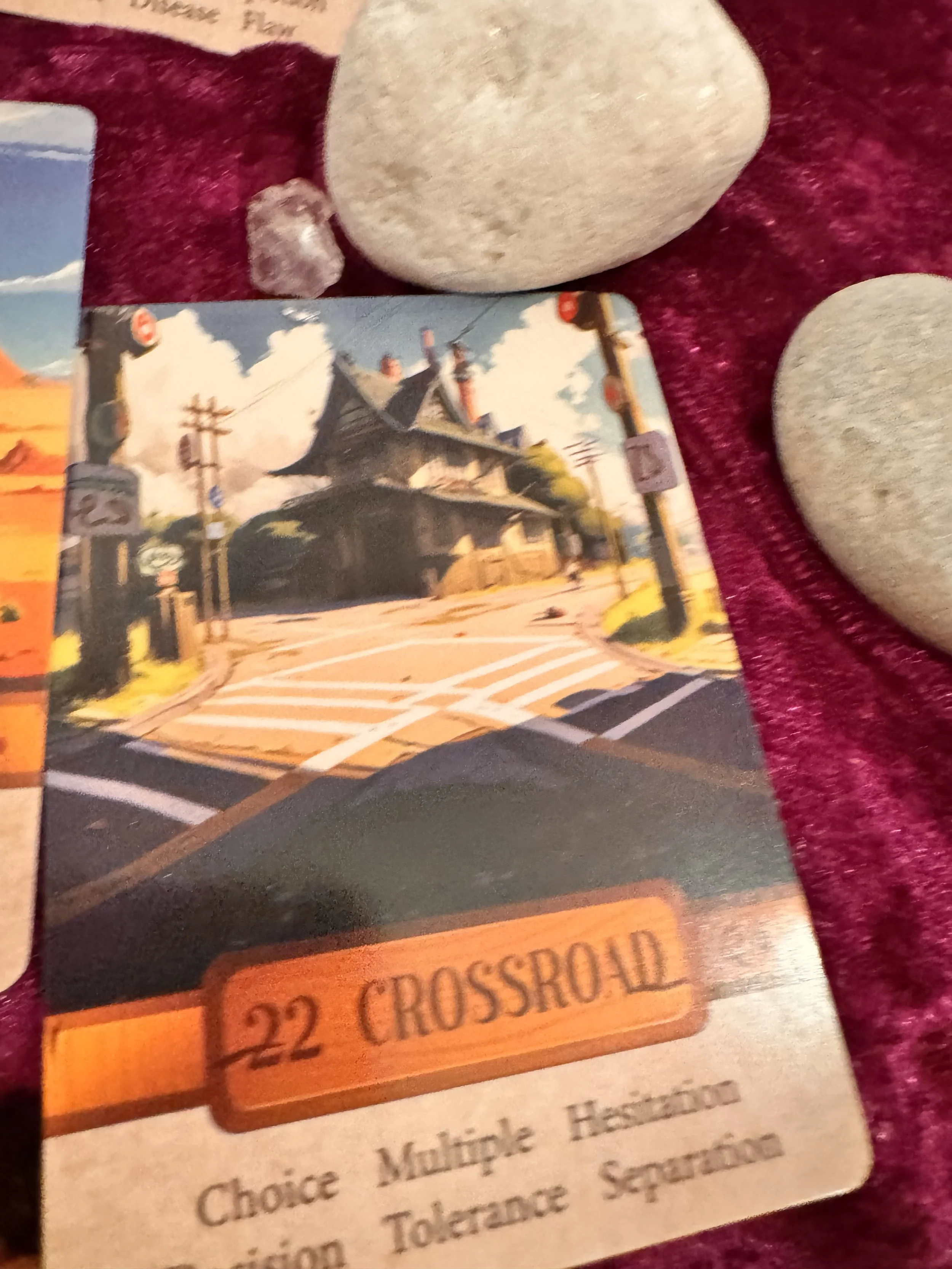
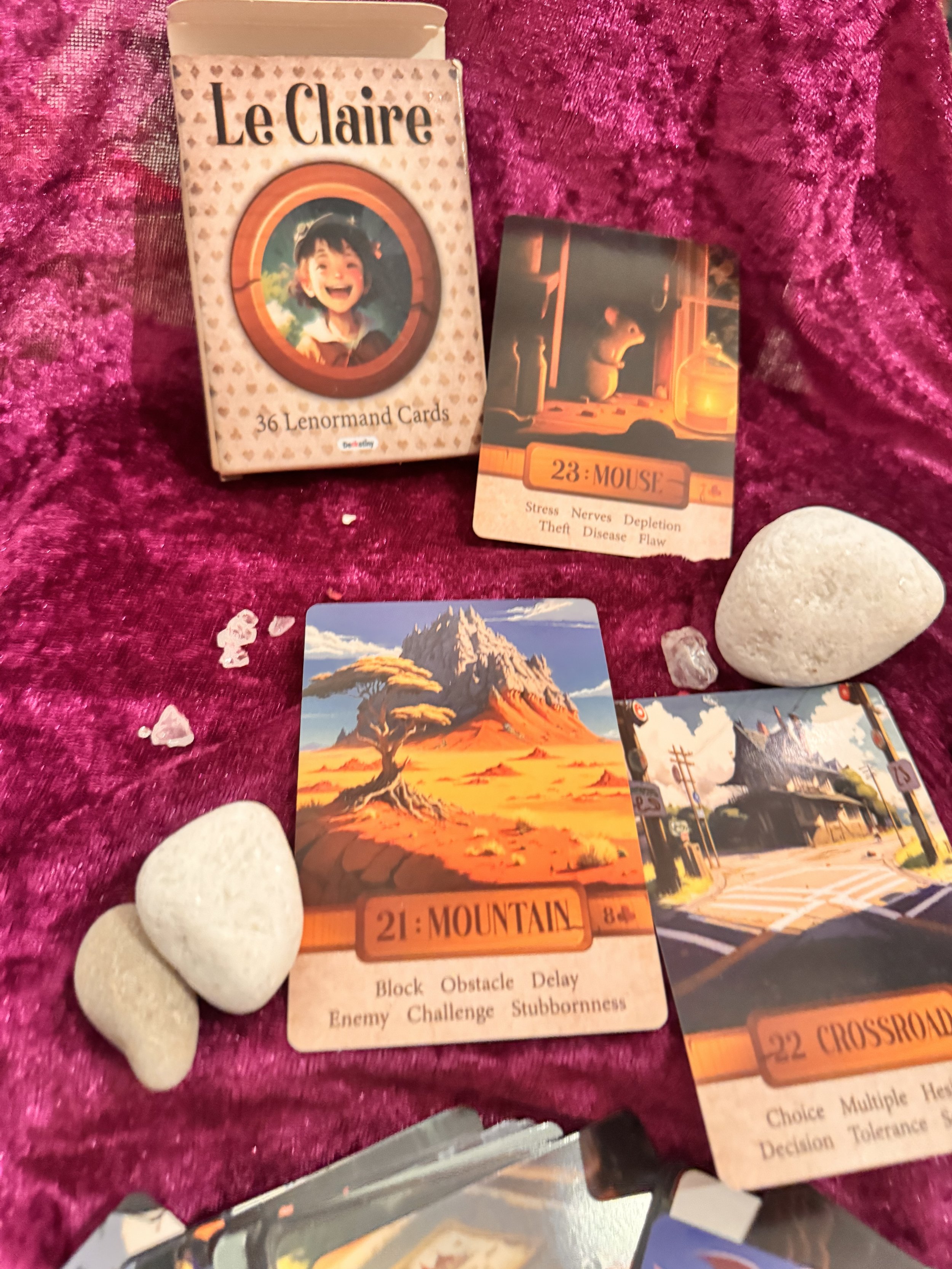
Lenormand Cards: Used for practical, straightforward, and narrative-driven insights to address daily life or executive dysfunction.
Important Considerations
Not a Replacement for Therapy: Therapeutic card work is meant to support, not replace, traditional therapeutic modalities.
Client Consent: Cards should be used only if the client is comfortable with them, and they are typically introduced to foster rapport and trust.
Self-Interpretation: The power of the cards lies in the client's interpretation of the images, rather than the therapist telling the client what the cards mean.
Key Therapeutic Uses of Cards
Projective Tool for Insight: Similar to inkblot tests, cards are used to help clients tap into their subconscious mind, explore emotions, and gain personal insight rather than for fortune-telling.
Overcoming Communication Blocks: Cards help clients express feelings, situations, or ideas that are difficult to articulate in words, serving as a starting point for deeper conversation.
Narrative and Symbolic Work: Therapists use the rich, archetypal imagery of cards to help clients reframe personal challenges as narratives, aiding in shadow work and understanding personal growth.
"Conversation Starters": Cards act as non-directive prompts that allow clients to choose images that resonate with their current state, making sessions more engaging.
Daily Focus and Grounding: Clients may use cards to pick a theme for the day, helping them stay centered and mindful.
Specific Card Types Mentioned
Tarot Cards: Used to explore past, present, and future energies, assisting clients in making decisions.
Oracle Cards: Known for simplicity and positive, uplifting messages.
Dixit Cards: Specifically mentioned for their whimsical, wordless images that are highly adaptable for visual and creative prompting in therapy.
Oh Cards: Used to combine image and word cards to help clients explore inner experiences when they are unsure what to talk about.
Lenormand Cards: Used for practical, straightforward, and narrative-driven insights to address daily life or executive dysfunction.
Important Considerations
Not a Replacement for Therapy: Therapeutic card work is meant to support, not replace, traditional therapeutic modalities.
Client Consent: Cards should be used only if the client is comfortable with them, and they are typically introduced to foster rapport and trust.
Self-Interpretation: The power of the cards lies in the client's interpretation of the images, rather than the therapist telling the client what the cards mean.