Sale Price:
£10.00
Original Price:
£24.99
Dixit
cards, known for their surreal and artistic imagery, are increasingly used as a therapeutic tool to enhance communication, emotional expression, and cognitive flexibility. Originally created by Jean-Louis Roubira, a child psychiatrist, the game was designed to help teenagers improve their communication and thinking skills.
Key Aspects of Using Dixit in Therapy:
Encouraging Expression: The cards act as a projective tool, helping clients—particularly those with emotional blocks or difficulty communicating—to express complex, deep, or hidden thoughts and feelings.
Versatile Techniques: Therapists use the cards for various purposes, including storytelling, metaphor exploration, icebreaker activities, goal setting, and promoting cognitive flexibility.
Non-Directive Approach: Instead of interpreting the images for the patient, therapists often allow clients to explain what the images mean to them, fostering self-reflection and personal growth.
Safety and Imagination: The dreamlike, artistic, and often bizarre nature of the cards allows for creative exploration in a safe, non-threatening environment, acting as an alternative to traditional, direct questioning.
Applications: They are used in various therapeutic settings to help with identifying emotions, exploring personal narratives, and enhancing creativity, with no specific patient profile required.
While not initially designed strictly for therapy, the game's origins as a tool for a child psychiatrist led to its adoption in professional counselling environments to help clients explore their "inner worlds".
Dixit
cards, known for their surreal and artistic imagery, are increasingly used as a therapeutic tool to enhance communication, emotional expression, and cognitive flexibility. Originally created by Jean-Louis Roubira, a child psychiatrist, the game was designed to help teenagers improve their communication and thinking skills.
Key Aspects of Using Dixit in Therapy:
Encouraging Expression: The cards act as a projective tool, helping clients—particularly those with emotional blocks or difficulty communicating—to express complex, deep, or hidden thoughts and feelings.
Versatile Techniques: Therapists use the cards for various purposes, including storytelling, metaphor exploration, icebreaker activities, goal setting, and promoting cognitive flexibility.
Non-Directive Approach: Instead of interpreting the images for the patient, therapists often allow clients to explain what the images mean to them, fostering self-reflection and personal growth.
Safety and Imagination: The dreamlike, artistic, and often bizarre nature of the cards allows for creative exploration in a safe, non-threatening environment, acting as an alternative to traditional, direct questioning.
Applications: They are used in various therapeutic settings to help with identifying emotions, exploring personal narratives, and enhancing creativity, with no specific patient profile required.
While not initially designed strictly for therapy, the game's origins as a tool for a child psychiatrist led to its adoption in professional counselling environments to help clients explore their "inner worlds".
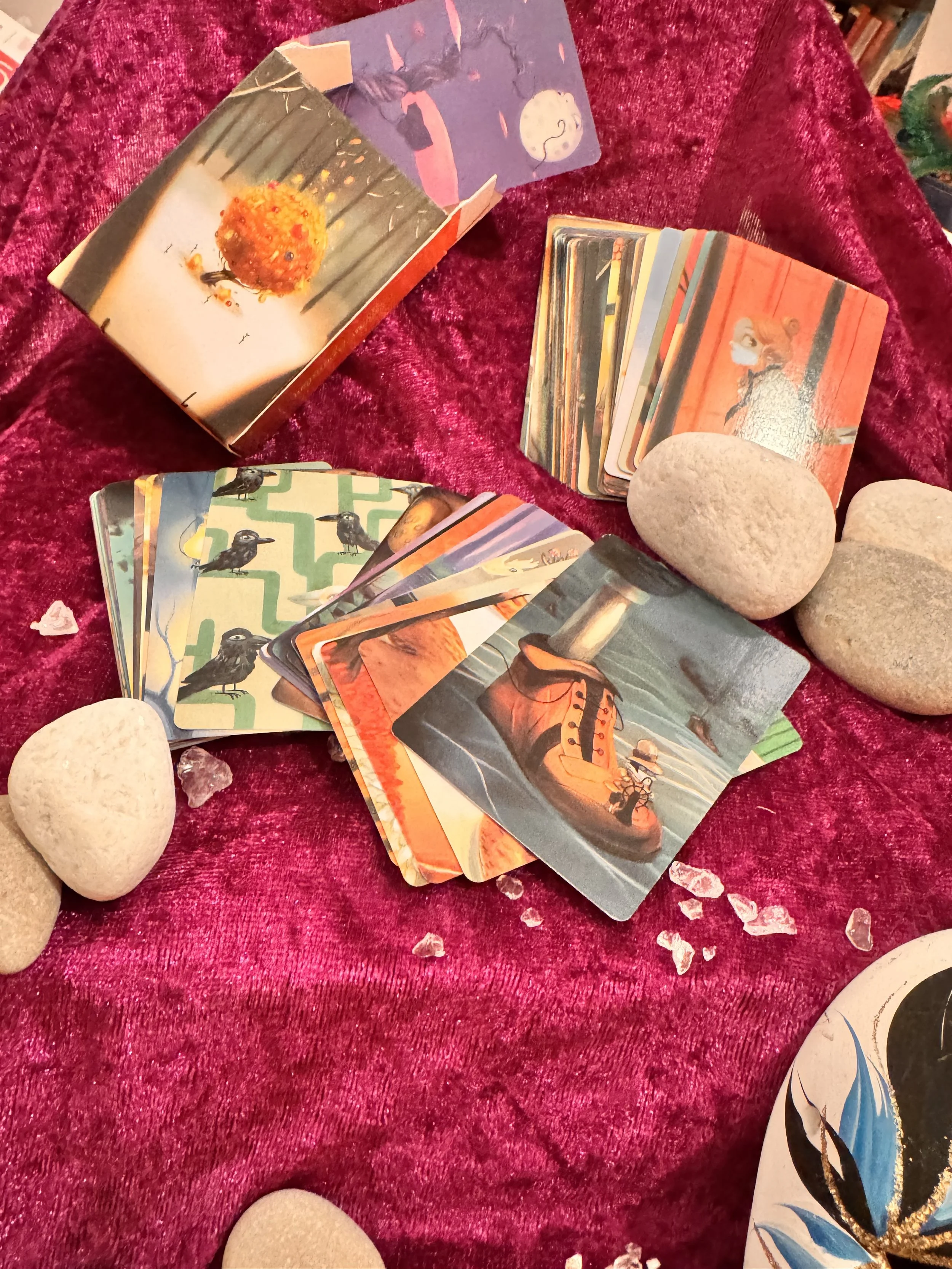 Image 1 of 8
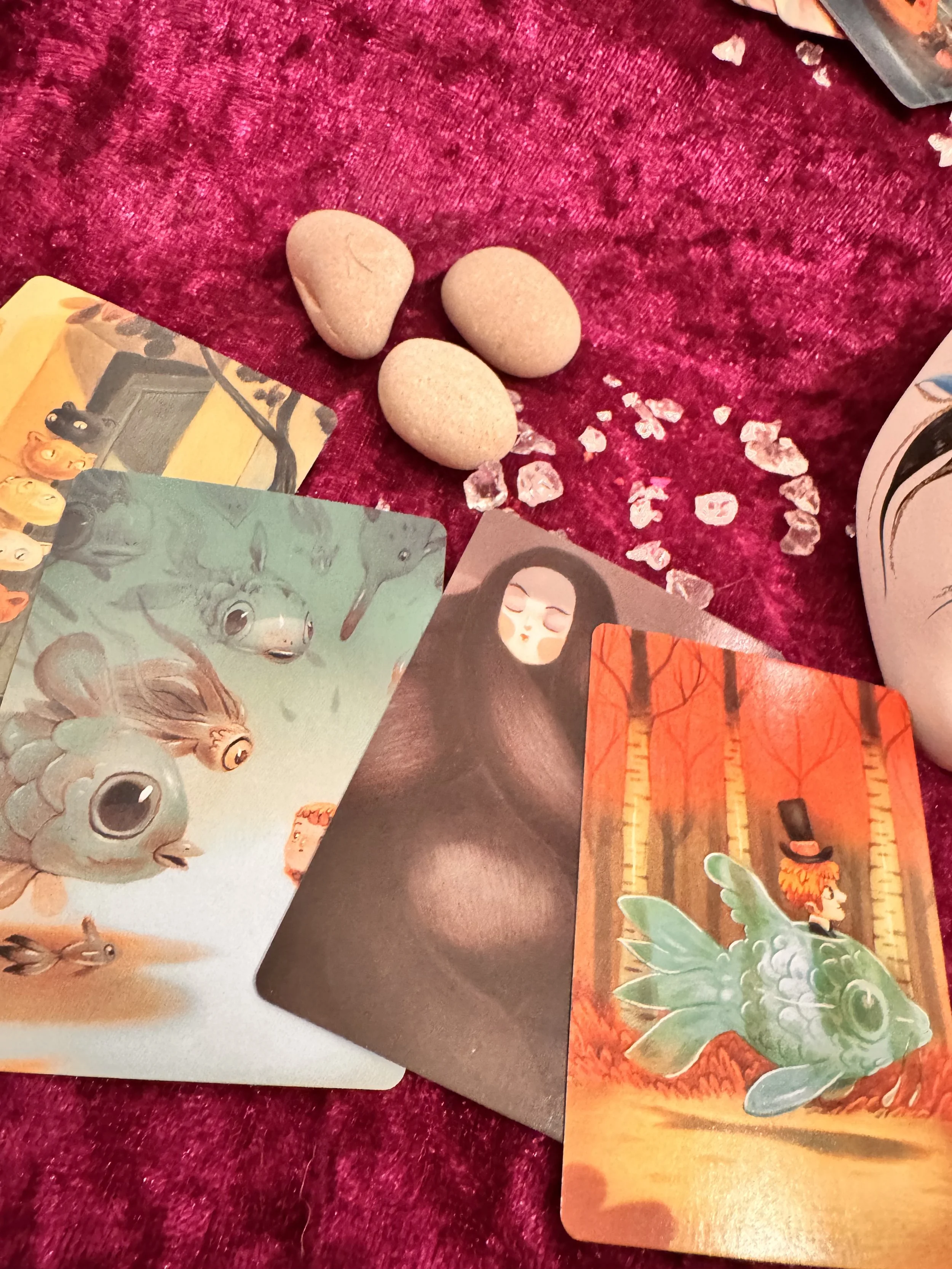 Image 2 of 8
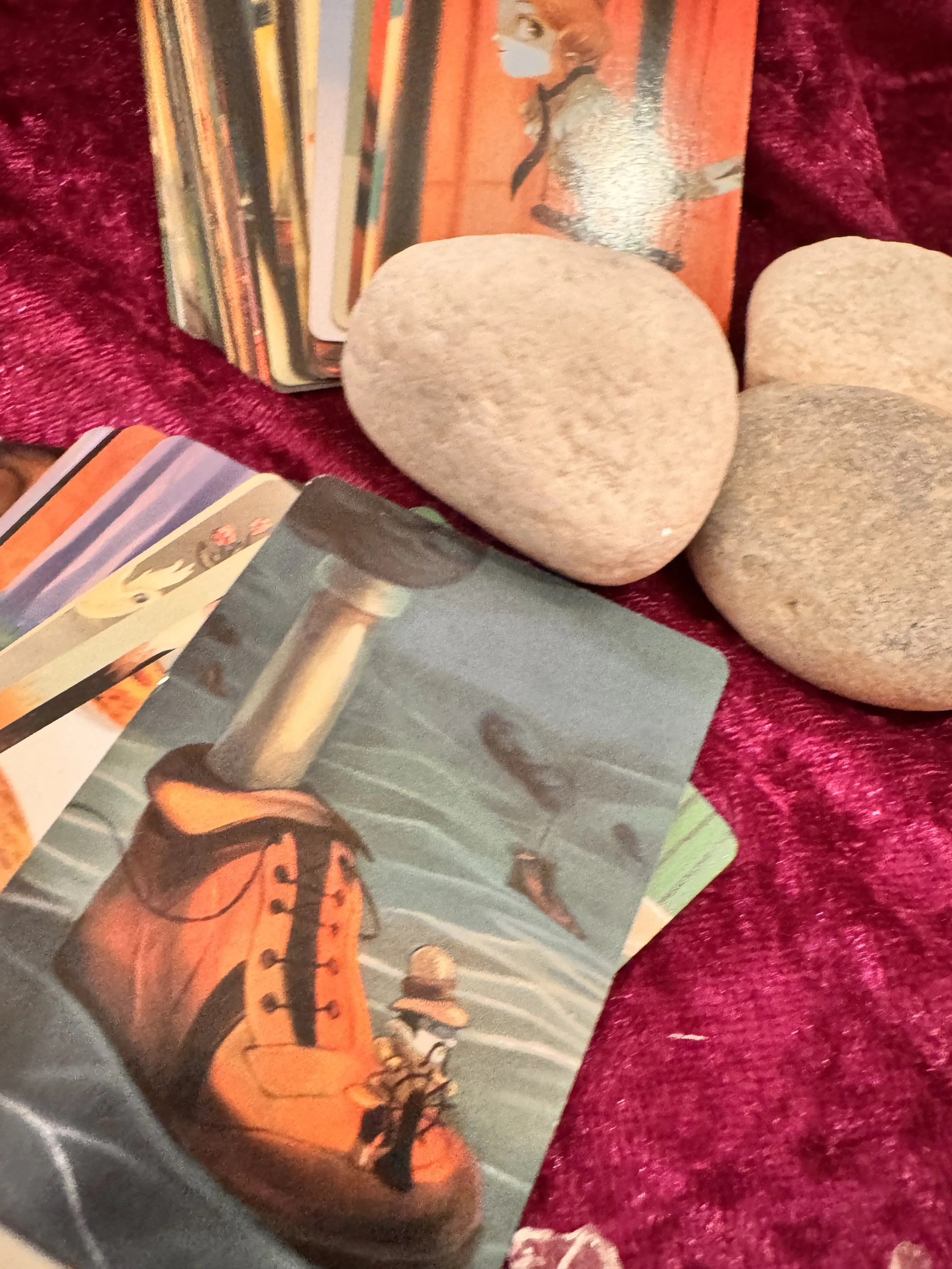 Image 3 of 8
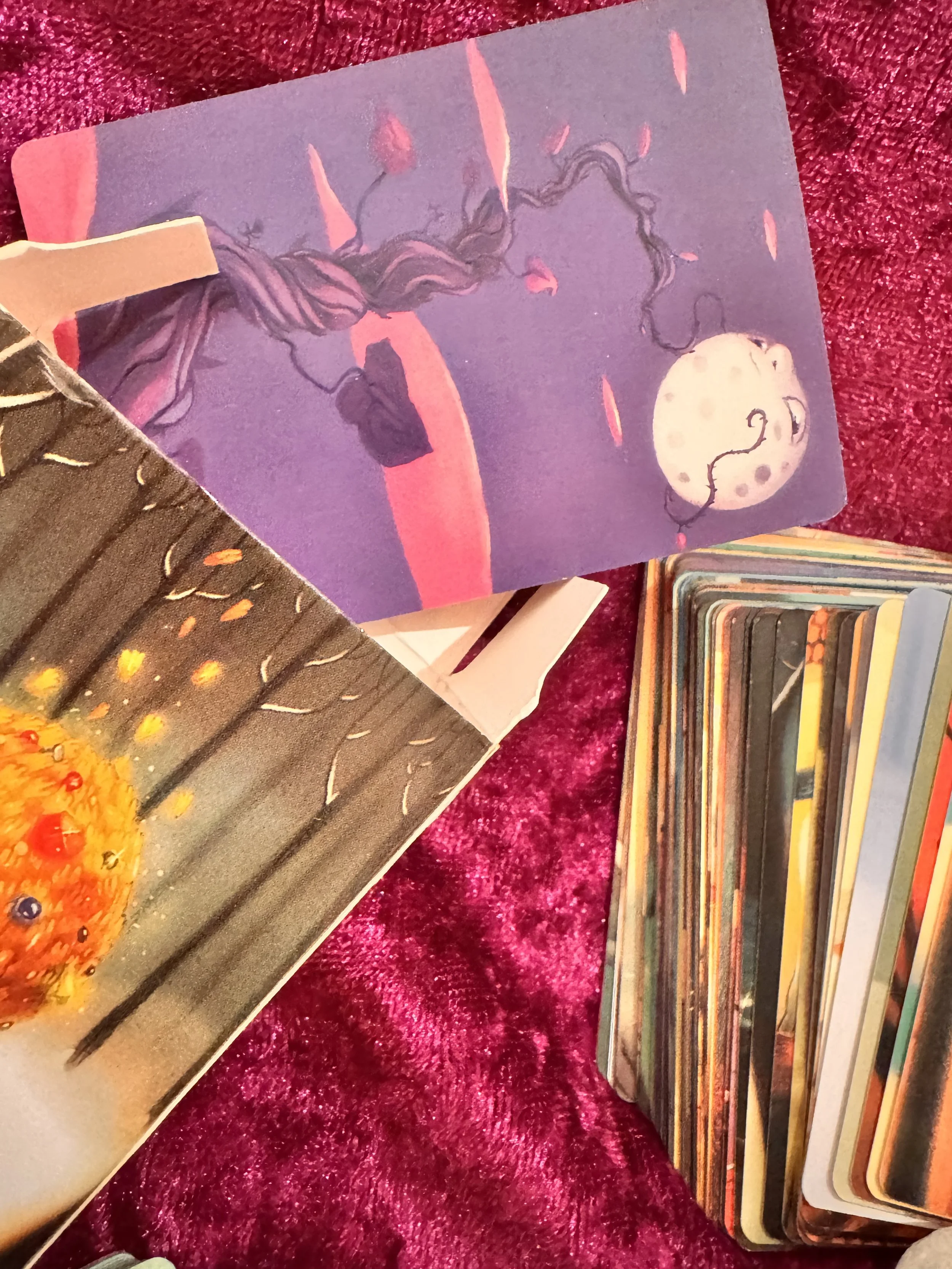 Image 4 of 8
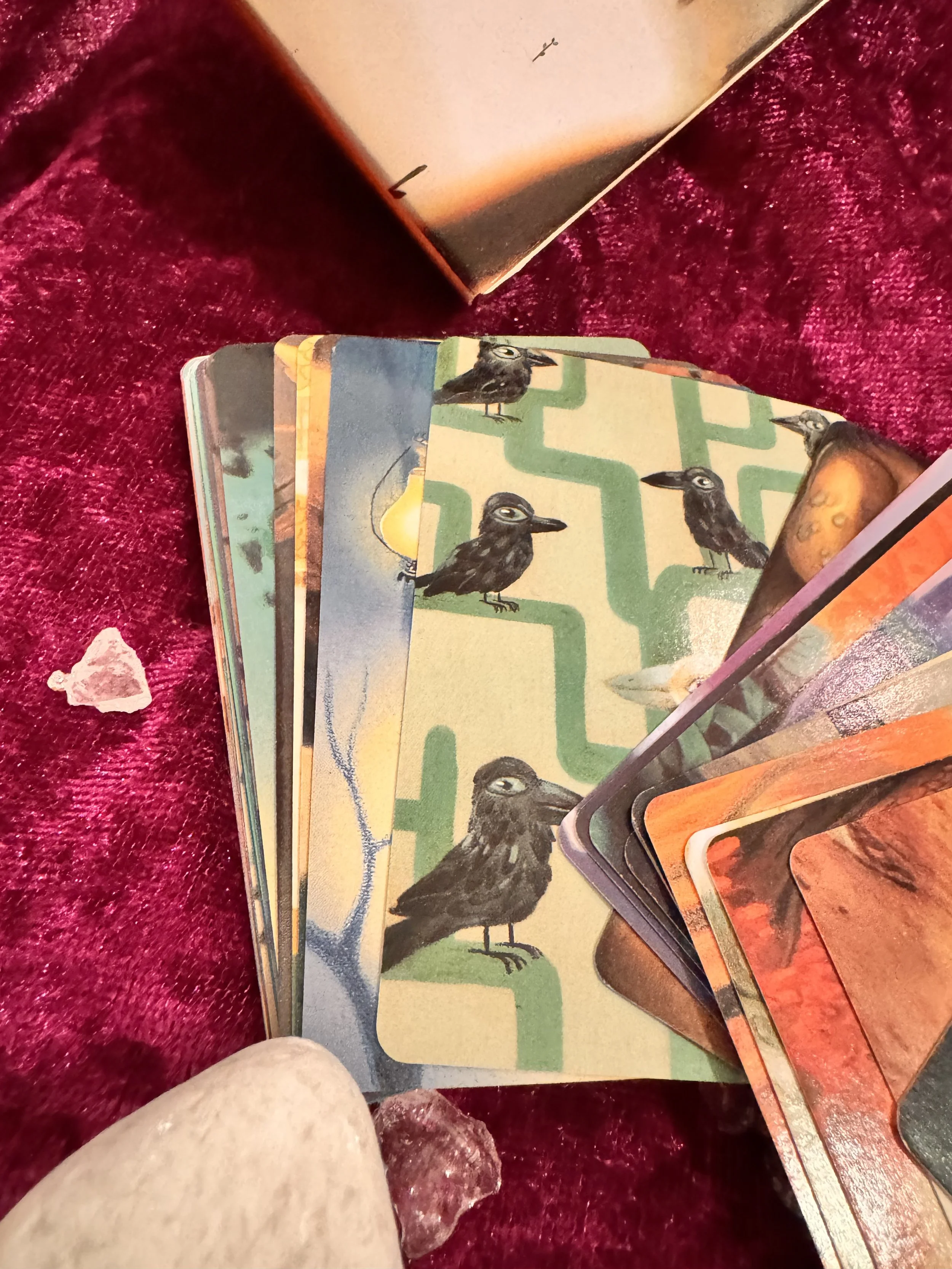 Image 5 of 8
 Image 6 of 8
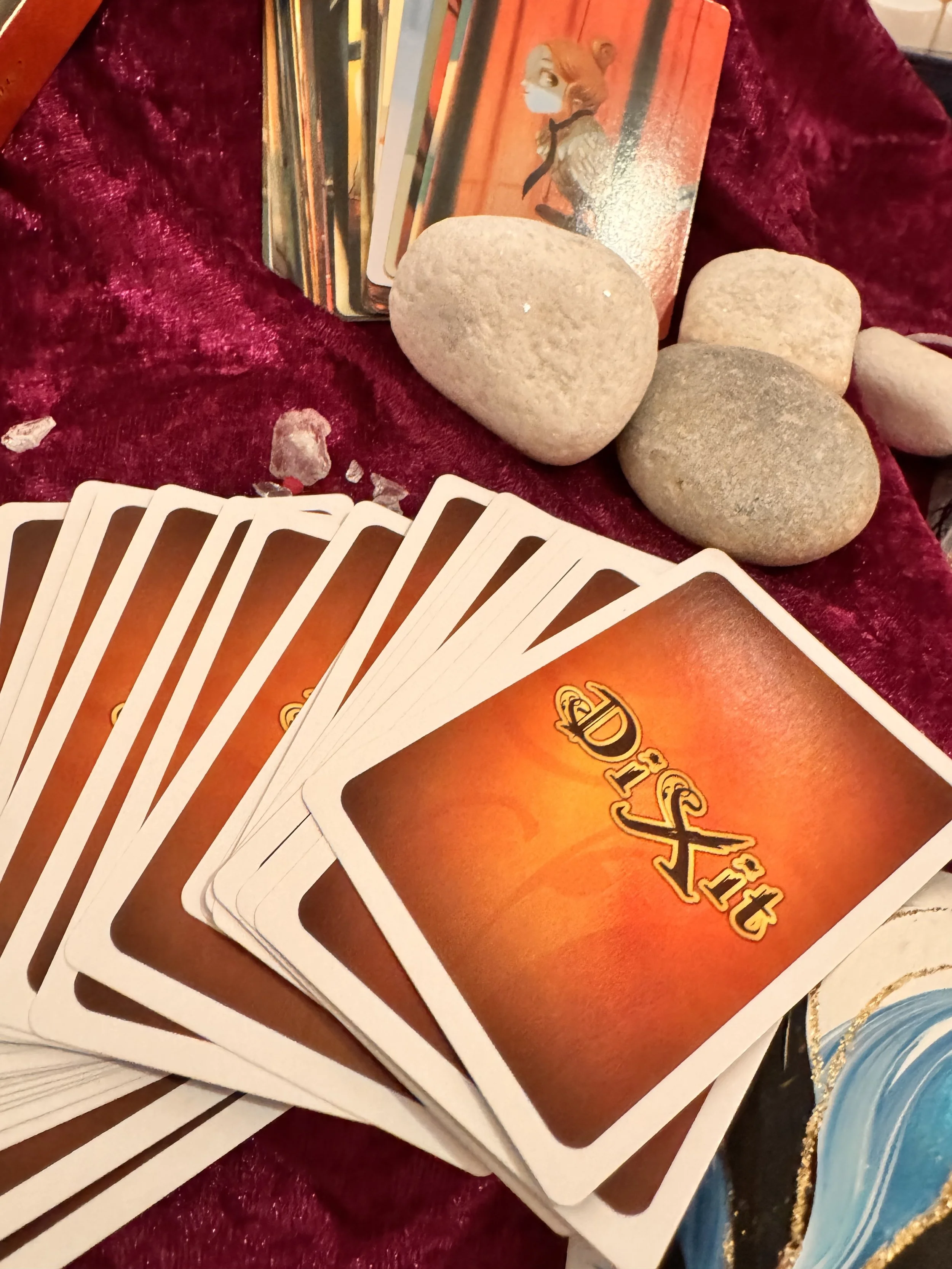 Image 7 of 8
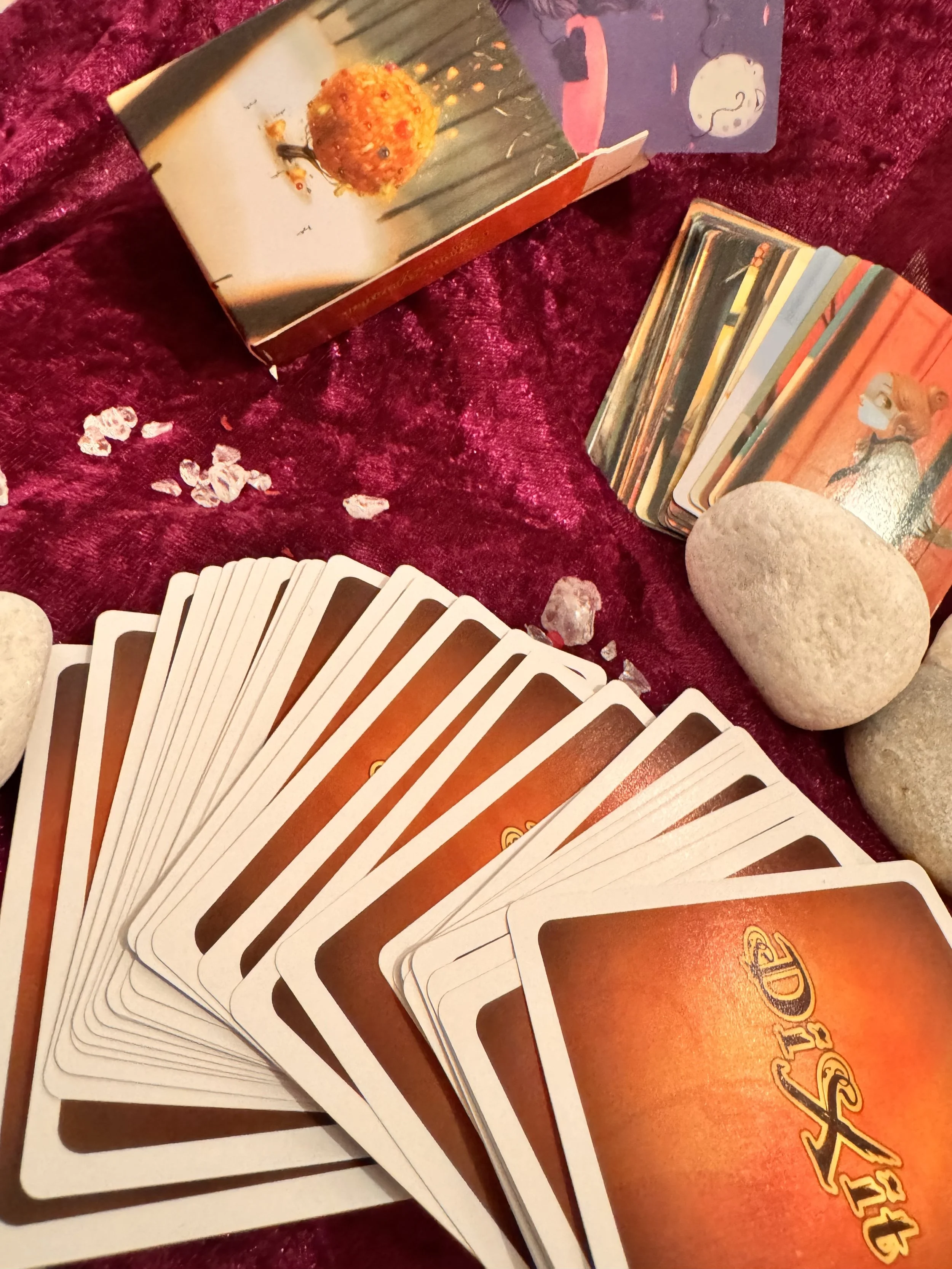 Image 8 of 8